
Zoning & Housing
Boston’s rents are high because the city doesn’t allow enough homes to be built. Our research measures the shortage and lays out the rules to fix it.
A high-demand city that won’t let itself grow
Boston is one of the most productive places in the country, and people want to live here. When the number of homes can’t keep up, the extra demand doesn’t go away. It shows up as higher rents, crowded apartments, long commutes and neighbors priced out.
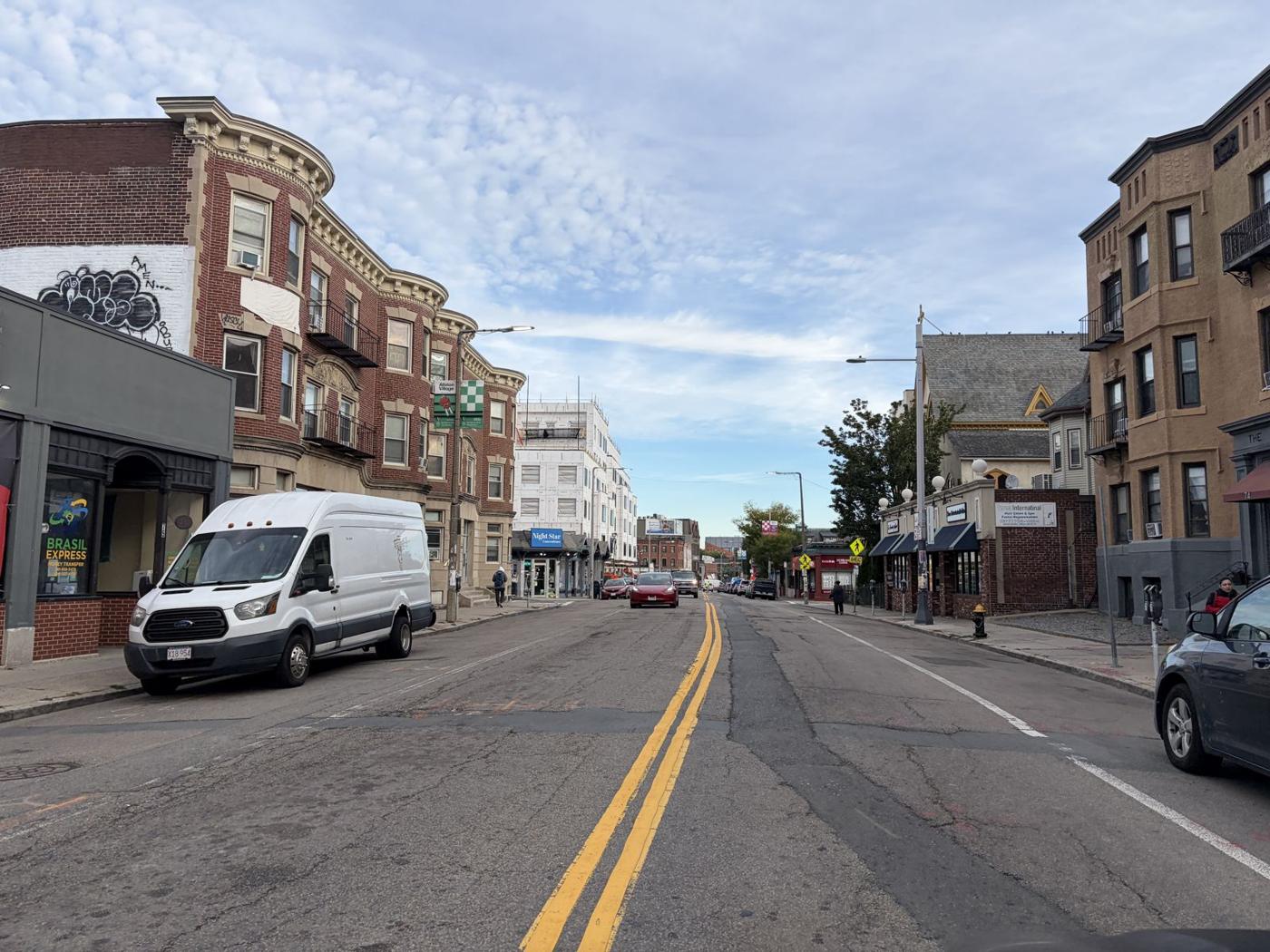
In Allston, 82 percent of households rent. Every one of them feels the shortage on the first of the month.
Publications
- White paper · July 2026→
A market-clearing housing strategy for Boston and Allston-Brighton
How many homes it would take for rents to fall toward market-clearing levels: about 110,000 in Boston, 470,000 across the region and 14,500 in Allston-Brighton. Includes a neighborhood-by-neighborhood allocation and a zoning reform package.
- Cost study · Oct 2026→
Traditional housing costs and by-right design in Boston
Fourteen street concepts priced at roughly $420–$500 per square foot, with objective façade rules that could make traditional-looking housing legal by right.
- Model law · July 2026→
Model legislation for housing abundance
A Zoning Commission petition, a City Council order and a state enabling act.
An Allston-Brighton Housing Abundance Overlay, with six subdistricts
High-capacity sites
Up to 18 stories on large parcels such as Western Avenue, Beacon Park Yard and Allston Yards.
Main corridors
Up to 10 stories on major streets, with homes above shops allowed as of right.
Squares and streets
Up to 7 stories in square cores like Brighton Center and Oak Square, and 5 stories on transition blocks.
Neighborhood transition
Four-story buildings of 8 to 12 homes on larger lots near corridors.
Neighborhood housing
Accessory units, internal conversions and up to four homes by right on residential streets.
Institutional and campus
Universities and hospitals plan for and house their own students and staff.
The overlay would end residential parking minimums, require family-sized units in larger buildings, and give code-compliant projects a predictable, time-limited review.
Read the model petitionWill new market-rate buildings really help?
It’s the most common question we hear, and a fair one. Our FAQ explains what the evidence says about rents, displacement, students, parking and neighborhood character.
Read the housing FAQCan new homes look like they belong?
Our architecture program and cost study show that traditional street design is affordable when the rules focus on what you see from the sidewalk.
Architecture & urban design